Systems Performance Ch.2: Methodology Summary
A skim-friendly summary of the key concepts and pitfalls from Chapter 2 (Methodology) of 'Systems Performance, 2nd Edition'.
systems-performance-2
systems-performance-2 Series Map
13 articles
A skim-friendly summary of the key concepts and pitfalls from Chapter 2 (Methodology) of 'Systems Performance, 2nd Edition'.
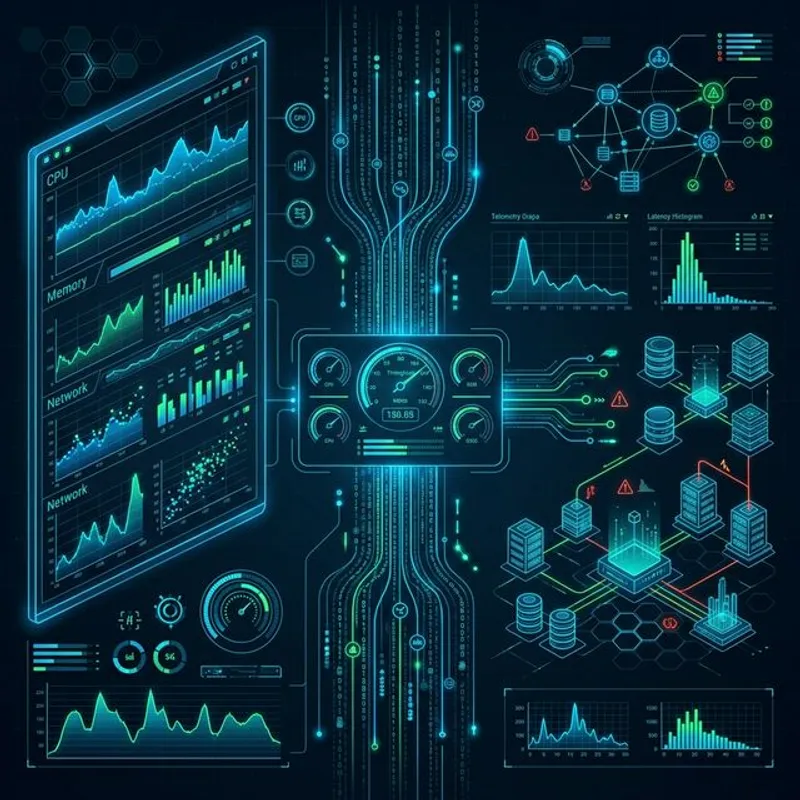
Application analysis yields massive gains. Here are practical techniques and profiling pitfalls from Chapter 5, organized into a cheat sheet.
Benchmarking results are famously misleading. Here are the critical traps you must avoid when evaluating system changes.
Diagnose elusive cloud performance traps, Noisy Neighbor effects, and container CPU throttling with this Chapter 11 skim-friendly cheat sheet.
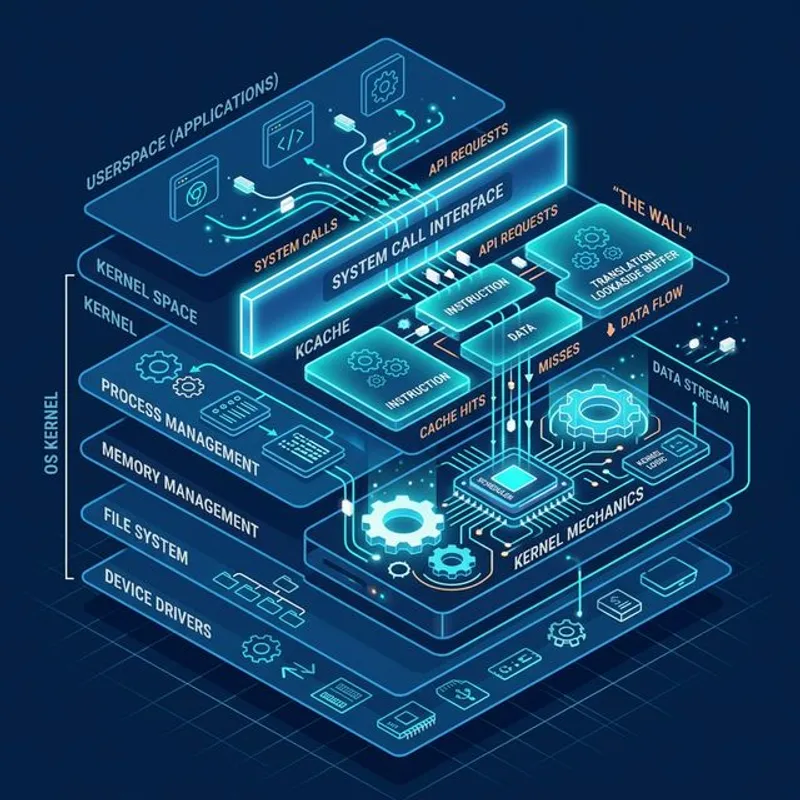
Why are system calls slow? What is %si? A skim-friendly cheat sheet for essential OS and kernel internals to survive performance analysis.
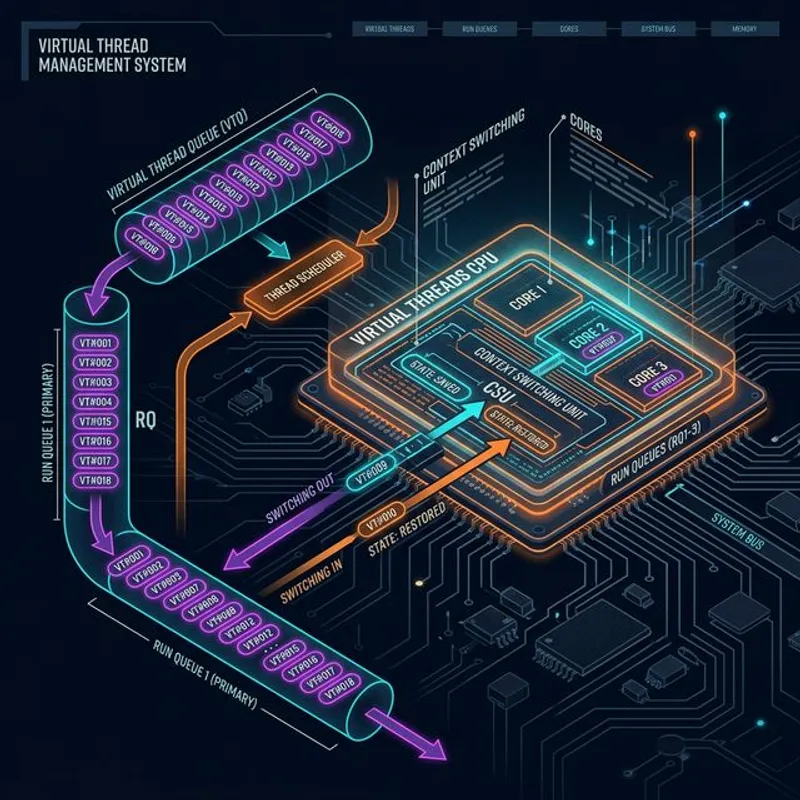
What happens behind 100% CPU usage? A skim-friendly cheat sheet covering run queues, context switching, IPC, and profiling tricks.
Why allocated isn't consumed. A cheat sheet on demand paging, the horrors of swapping, allocators, and profiling real memory performance.
Graduating from 'just run tcpdump'. A cheat sheet covering TTFB traps, TCP backlog drops, TIME_WAIT port exhaustion, and tracking down true network latency.
Is the disk actually slow? A cheat sheet on logical vs physical I/O gap, cache traps, VFS latency, and benchmark pitfalls.
Don't be fooled by IOPS or average latency! A guide to virtual disk traps, bimodal distributions, and hunting mysterious I/O with biostacks.
Moving away from guesswork tuning. From crisis tool prep to /proc secrets, kprobes/uprobes, and PMCs—here's how performance tools really work.
Stop tuning by guesswork. A cheat sheet on the three legendary Linux observability tools (perf, Ftrace, BPF) for safe and surgical performance analysis.