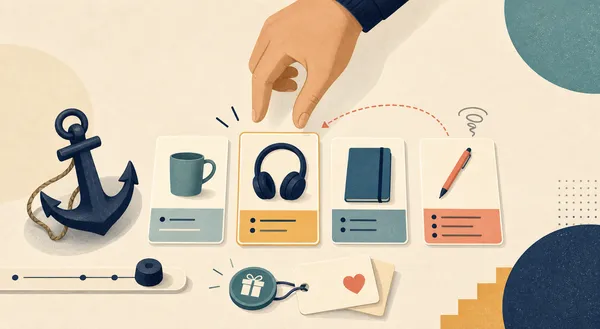
Are you good at persuading people? I am terrible at it. I’m the type who wants to say “No thanks” but ends up saying “Ah, yes” and regretting it later.
That’s why I bought this book, lured by the title:
“Persuasion is 90% Rephrasing” (説得は「言い換え」が9割)
I usually avoid these “90% of X is Y” self-help books, but I picked this one up with the faint hope that it might cure my poor communication skills.
The conclusion? Half of it is useful in daily life, but the other half consists of techniques for extreme situations where you think, “When am I ever going to use this?”
The Magic (or Fraud?) Called “Rephrasing”
The core concept of this book is simple: “There is only one fact, but there are countless interpretations.” It’s about shifting the perspective on a fact that makes someone want to say “No” and transforming it into words that make it easy to say “Yes.” This is “reframing.”
Turning Negatives into Positives
For example, there is an episode about the famous track coach Yoshio Koide. When an athlete is injured and feeling down, instead of saying “It’s a shame you got injured,” he would say:
“God is telling you to take a break, so let’s rest well.”
He rephrases “injury” as “a vacation given by God.” This seems usable in daily life. “I messed up at work” → “It’s a chance to grow.” Well, whether or not you’re happy to hear it is another matter, but I understand the logic.
Moving People with a “Grand Cause”
Another thing that made me think “I see” was the idea of providing a “Grand Cause” (Taigi-meibun). When Toyotomi Hideyoshi conducted his famous “Sword Hunt,” saying “I’m taking your weapons” would invite rebellion, so he rephrased it:
“The confiscated weapons will be used as nails and clamps for the Great Buddha Hall at Hokoji Temple, so you farmers will be saved in the afterlife.”
Not “confiscation,” but “donation.” He replaced the fact of “having weapons taken (loss)” with the grand cause of “contributing to the Great Buddha and being saved.” In modern business, rephrasing “price hike” as “price revision to maintain quality” seems to be an application of this “Grand Cause."
"Dark” Techniques with a Whiff of the Bubble Era
Now, this is the true essence of this book. The author, Tadashi Mukaitani, has a unique background: former weekly magazine reporter, Buddhist monk, and karateka. Perhaps because of this, the examples introduced feel somewhat underground and reek of the Bubble Era nightlife.
Double Bind (False Choice)
There’s an example about debt collection. Don’t ask “Will you pay or not?” Ask “When will you pay?” Furthermore:
“Will you pay the full amount right now, or will you pay half now and the rest next week?”
The trick is to ask like this. The opponent thinks, “I can’t pay the full amount, but maybe half…” and before they know it, they’ve accepted the premise of “paying.”
This is a classic sales technique, but if you do this to a friend in daily life, you will definitely be hated. Let’s stick to asking “Italian or Yakiniku?” instead of “Are we going drinking or not?”
Threaten, Then Save (Gain-Loss Effect)
The most shocking example for me was how Yakuza handle disputes.
When a boss wants a subordinate to go apologize to a rival organization, simply saying “Go bow your head” invites resistance. So, he rephrases it:
“They’re demanding one of your arms, but I flatly refused that. Don’t say anything unnecessary, just go bow your head.”
After being told “one arm,” just “bowing your head” seems incredibly lucky. Applying this, a business owner might threaten a pay cut by saying “We might go bankrupt,” and then when they say “We got away with just a 20% cut,” the employees might actually be grateful.
…No, that is complete power harassment and the logic of a black company. In modern times, this would be an instant lawsuit, but in terms of exploiting gaps in human psychology (the contrast effect), it makes frighteningly meaningful sense.
A “Killer Phrase” We Socially Awkward People Can Use Instantly
I’ve talked about underground topics, but finally, let me introduce one technique that even a socially awkward person like me can use starting tomorrow.
It is “Please teach me” when talking to superiors.
“I’m thinking of trying fishing…” “Alright, I’ll take you along.”
People’s self-esteem is satisfied by “teaching.” Instead of just asking, if you add your own thoughts like “I thought about it this way, but what do you think?” and then say “Please teach me,” your evaluation goes up even more. With this, even I, who fear the silence in conversations, can get the other person to talk, so it seems usable.
Conclusion: Keep It as a Potent Poison
Honestly, there were parts where I thought “Ugh…” while reading. The author’s tone exudes a “Let me teach you young ones how harsh the world is” vibe, typical of a smug Bubble-era uncle.
But strangely, it has an entertainment value that keeps you reading. Perhaps it’s because we are tired of communication that is only “politically correct.”
You don’t need to practice everything written in this book (in fact, please don’t). However, just knowing that “there are people in the world who attack with this kind of logic” will significantly increase your defense.
“Rephrasing” is a weapon. It was a book like a knife to keep in your pocket to protect yourself, or to help someone who is truly in trouble.